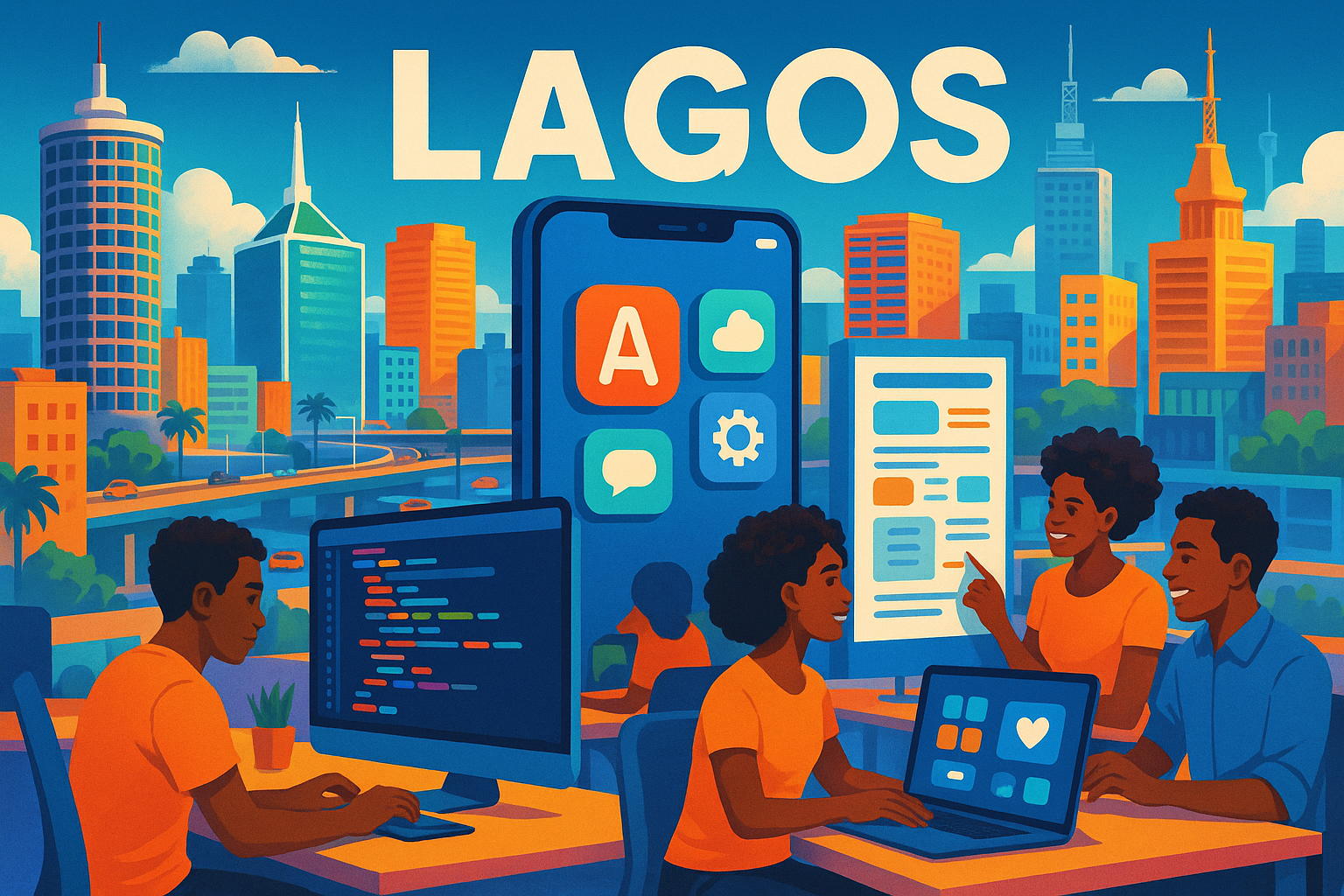
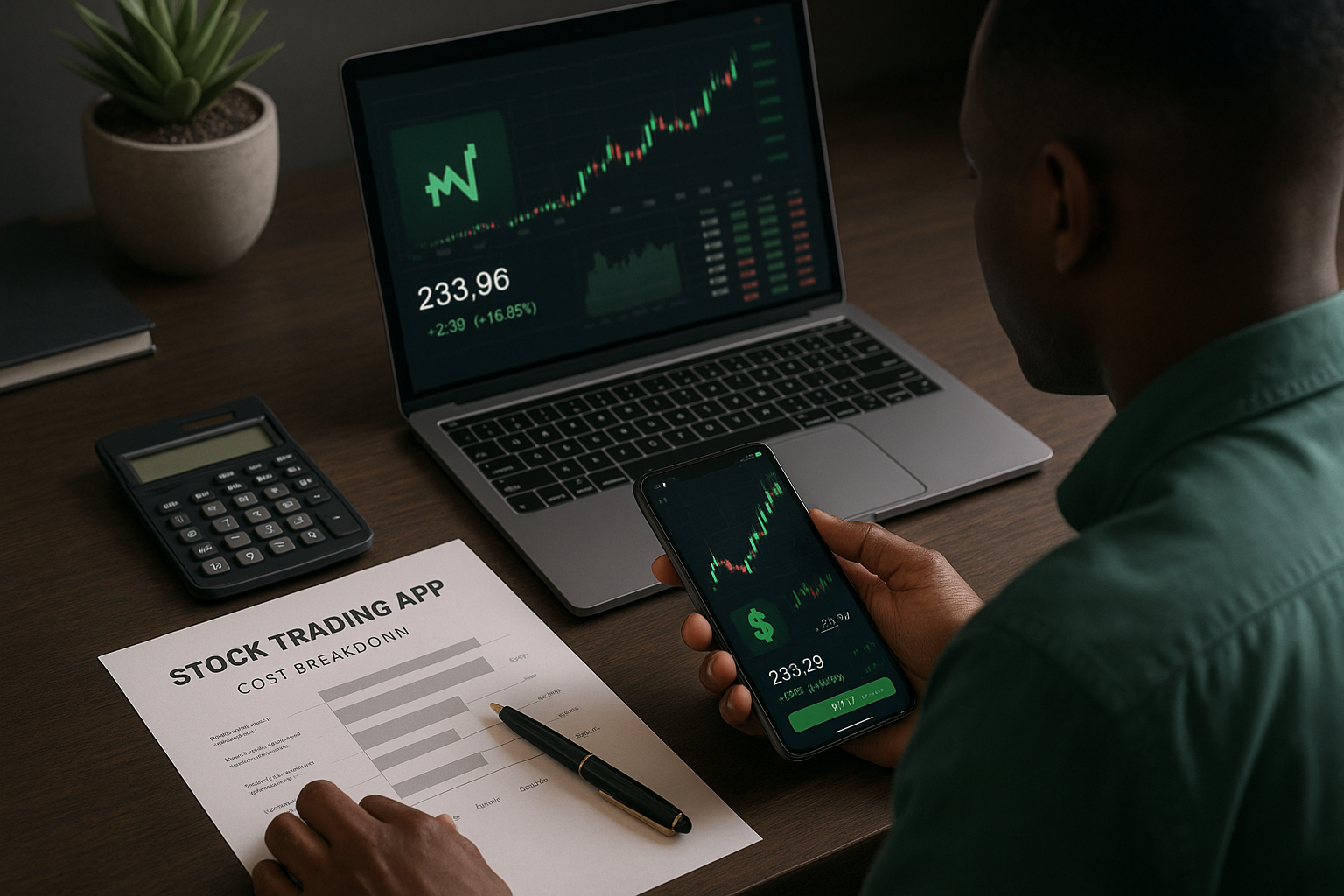
As the Nigerian economy continues to evolve, the demand for stock trading applications is on the rise. More entrepreneurs are exploring opportunities in the fintech space, particularly in developing platforms that facilitate stock and securities trading. However, building a robust stock trading app is no small feat. It involves intricate integrations, compliance with regulatory bodies, and the need for real-time data—each contributing significantly to the overall cost. In this article, we will dissect the costs involved in developing a stock trading app in Nigeria, the factors that influence these costs, and practical advice for aspiring founders and product leaders.
What Kind of Stock Trading App Are You Building?
The first and most critical question to ask is what type of app you intend to build. The scope of your product—whether it's a Minimum Viable Product (MVP) or a full-featured platform—will have the most significant impact on your budget. A focused MVP can help you validate your market demand with lower initial costs, while a full-featured app will require more investment up front.
Core Features That Influence Cost
Understanding the essential features your app requires can help you estimate costs more accurately. Here are some features you should consider:
- Market data feeds and watchlists: Real-time data is crucial for traders.
- Order placement, portfolio, and P&L views: Users must have easy access to their trading activities.
- KYC (Know Your Customer) and broker/depository integrations: Essential for compliance and facilitating trades.
- Secure authentication and transaction signing: Security is paramount in financial applications.
- Compliance reporting and admin surveillance tools: Necessary for meeting regulatory requirements.
Design, Security & Compliance
With securities products, partnering with licensed brokers is non-negotiable. Compliance with local regulations, such as those set forth by the Securities and Exchange Commission (SEC) in Nigeria, is critical. Additionally, maintaining rigorous audit trails helps ensure accountability.
Data latency and uptime are also vital; traders require instant access to market information. In Nigeria's competitive app market, exceptional UI/UX design is not optional. Your product’s design must stand up against established players, ensuring that users find it trustworthy and user-friendly from the get-go.
Key Design Considerations
- Intuitive Navigation: Users should easily find their way through the app.
- Responsive Design: Ensure the app functions well on various devices.
- Visual Appeal: Use a clean, professional aesthetic that instills confidence.
- Accessibility: Consider users with disabilities to broaden your audience.
Who Builds the App Matters
The choice of development team can significantly affect the quality and reliability of your app. While freelancers may offer lower upfront quotes, they often lack the consistency and post-launch support needed for a project of this scale. In-house teams are a good option if you already have the technical leadership in place.
A local agency like MSORG Developers can provide a balanced approach, combining quality, cost-effectiveness, and market expertise. They offer end-to-end support, from the initial discovery phase through to launch and ongoing maintenance.
Budget Range: What Should You Expect?
When it comes to budgeting for your stock trading app, here is a rough estimate of what you can expect:
- MVP: ₦15 million – ₦30 million
- Fully-featured app: ₦35 million – ₦70 million
- Enterprise-grade solution: ₦75 million+
These ranges typically cover design, development, testing, and initial launch support. However, keep in mind that additional costs will arise for licensing, compliance, cloud infrastructure, and marketing efforts.
Post-Launch Costs
Your financial planning should not stop at launch. Post-launch costs are crucial for the ongoing success of your app. Here are some expenses you should factor in:
- Hosting and monitoring services
- Customer support infrastructure
- SMS/email notifications
- Regular security updates
- Feature iterations based on user feedback
Most successful products allocate a monthly maintenance and growth budget to adapt to market needs and improve user experience.
Key Takeaways
- The type of stock trading app you build (MVP vs full-featured) significantly impacts cost.
- Key features include real-time data, order placement, and compliance tools.
- Design, security, and compliance are paramount to gaining user trust.
- Your choice of development team can affect the quality and reliability of your app.
- Post-launch costs are essential for maintaining and growing your app's user base.
Work with MSORG Developers
At MSORG Developers, we design and build secure, scalable software for startups and enterprises across Nigeria and globally — from MVPs to enterprise platforms.
Contact us for a free consultation or call +234 810 014 6383.