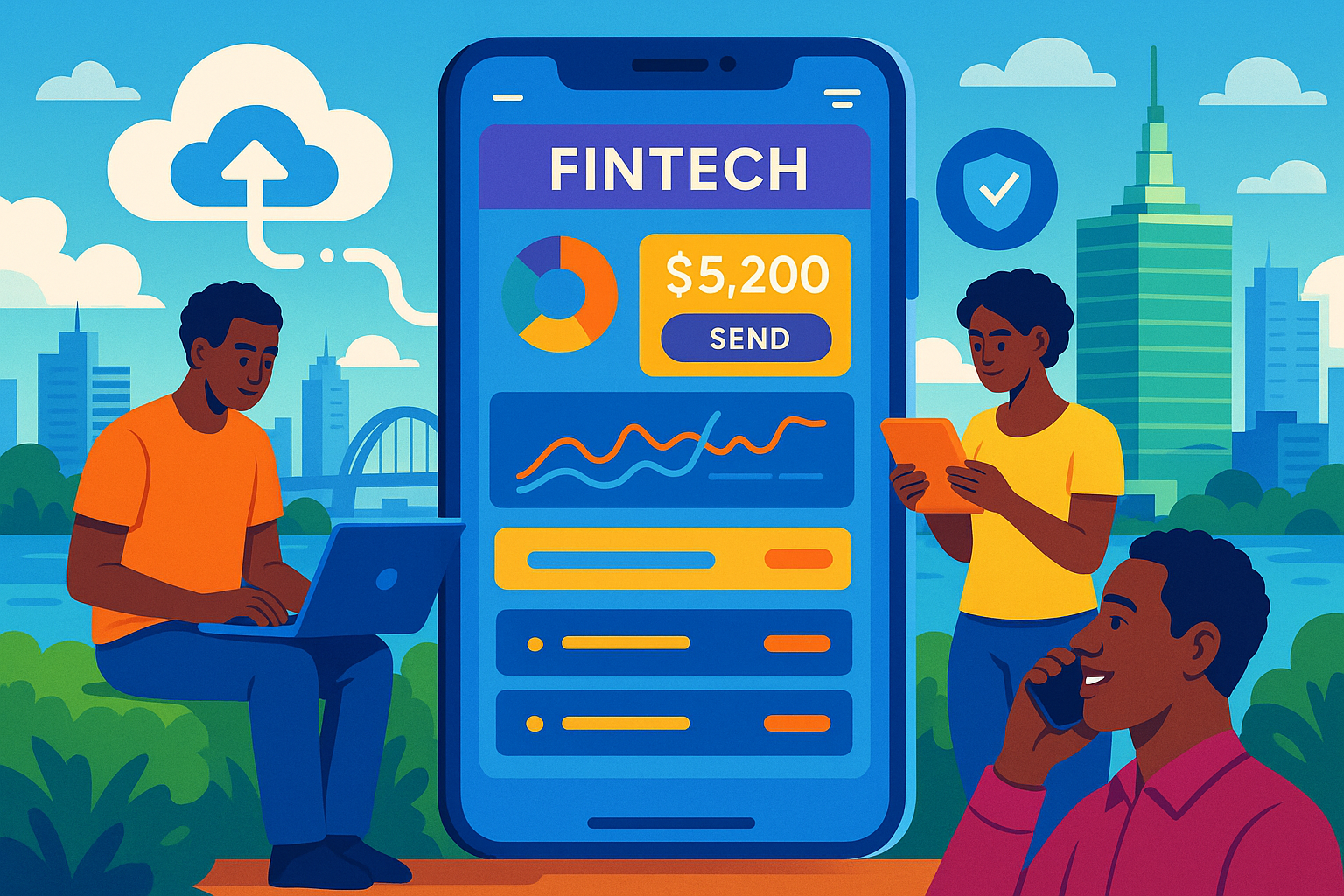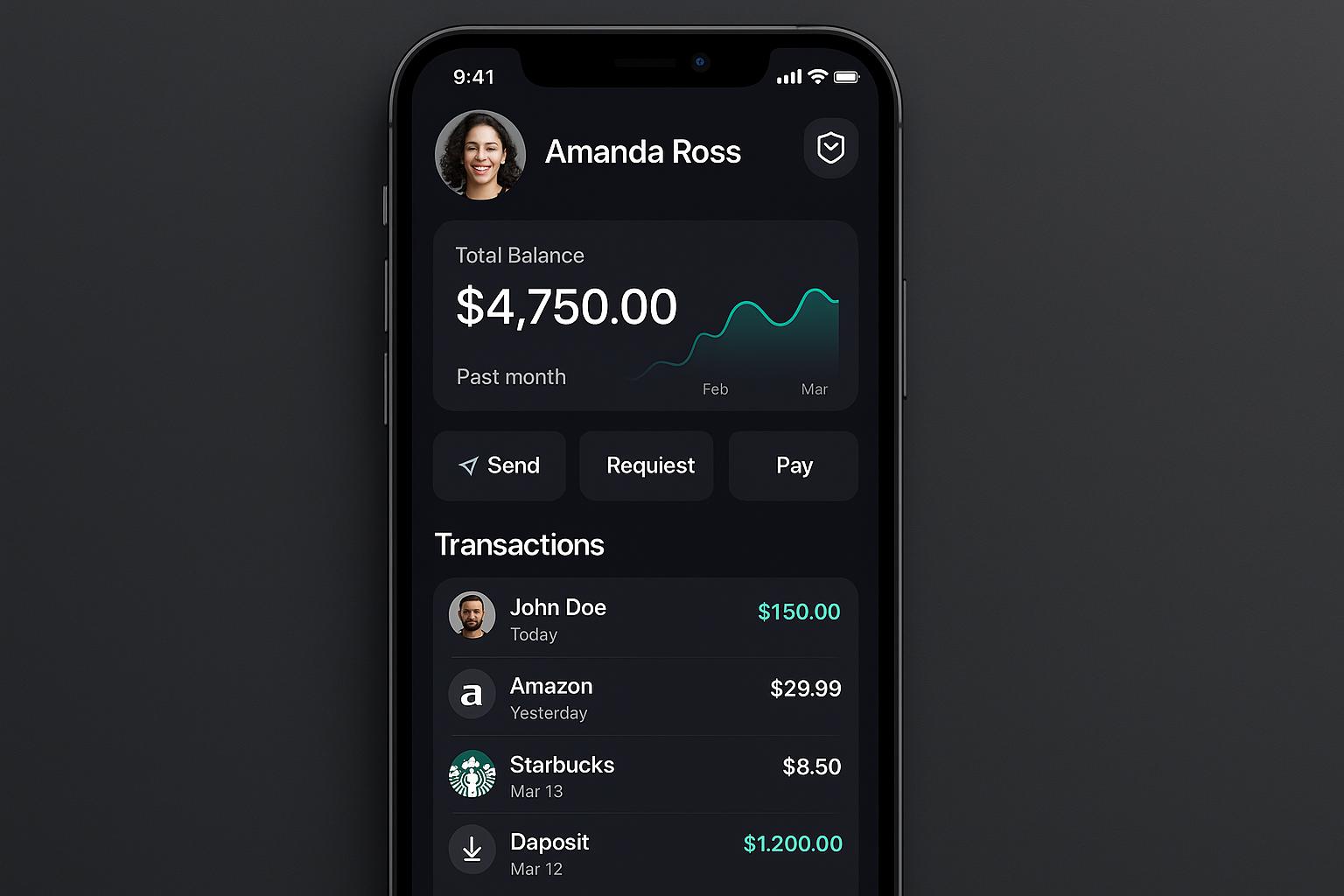

As the digital economy continues to flourish in Nigeria and across Africa, secure payment integrations are crucial for fintech startups and e-commerce platforms. With millions of users relying on mobile and web applications for transactions, ensuring that payment systems are robust and safe from potential threats is paramount. Two leading payment gateways in the region, Paystack and Flutterwave, offer powerful tools for managing online payments, but integrating them securely requires attention to several best practices.
Understanding Payment Gateway Security
Payment gateways act as intermediaries between your application and the banking system, processing transactions securely. However, integrating these systems without proper security measures can expose your business and your customers to significant risks. In this article, we will explore essential practices for building secure payment integrations with Paystack and Flutterwave, ensuring that your application remains compliant and trustworthy.
Never Expose Secret Keys in Mobile Apps
One of the most critical security measures is to never expose your secret keys in mobile applications. These keys are essential for authenticating requests to payment gateways and, if compromised, can lead to unauthorized transactions and data breaches.
Use Server-Side Initiation
Instead of embedding secret keys directly into your mobile app, follow these steps:
- Initiate payment requests from your server rather than the client-side application.
- Store secret keys securely using environment variables or a secure vault.
- Implement API endpoints on your server that your mobile app can call to initiate payments.
By keeping sensitive information on the server-side, you reduce the risk of exposure and enhance the security of your payment processes.
Verify Webhooks with Signatures
Webhooks are essential for receiving real-time notifications about payment status updates. However, they can also be a potential attack vector if not properly secured. To protect against unauthorized webhook calls:
- Verify webhook signatures to ensure that the notifications are coming from the legitimate payment gateway.
- Implement idempotent handlers to prevent duplicate transaction processing, which can occur if webhooks are retried.
By confirming the authenticity of webhook notifications, you can trust that the data received is legitimate and take appropriate actions based on it.
Log Transactions with Correlation IDs
Transaction logging is vital for support and reconciliation. It allows you to trace transactions and resolve disputes effectively. Here’s how to enhance your logging strategy:
- Generate a unique correlation ID for each transaction that can be used to trace it across various systems.
- Log relevant transaction details, including timestamps, user identifiers, payment amounts, and status updates.
- Ensure that logs are stored securely and comply with data protection regulations.
Implementing a thorough logging mechanism will help your teams respond quickly to issues and provide better support to your users.
Handle Failed Payments and Retrying Gracefully
Payment failures are a common occurrence in online transactions, and how you handle them can significantly impact user experience. Here are best practices for managing failed payments:
- Provide clear error messages that explain why the payment failed and suggest possible solutions.
- Allow users to retry payments seamlessly without losing their cart information or having to re-enter their details.
- Implement a fallback mechanism to notify users via email or SMS about failed transactions and prompt them to retry.
By prioritizing a smooth user experience, you can turn a potentially negative situation into an opportunity to enhance user satisfaction.
Compliance and Regulatory Considerations
In Nigeria, as in many other regions, there are regulations governing financial transactions, especially regarding customer data protection. Complying with these regulations not only builds trust with your customers but also helps avoid potential legal issues. Key compliance considerations include:
- Adhering to the Nigeria Data Protection Regulation (NDPR) to safeguard user data.
- Implementing the Payment Card Industry Data Security Standard (PCI DSS) guidelines if you handle card payments.
- Regularly auditing your payment systems to ensure compliance with evolving regulations.
Consulting with experts like MSORG Developers can help ensure that your payment integrations meet the necessary compliance standards.
Key Takeaways
- Keep secret keys secure by using server-side initiation.
- Verify webhook signatures to ensure data integrity.
- Log transactions with correlation IDs for better tracking and support.
- Handle failed payments gracefully to enhance user experience.
- Stay compliant with regulatory frameworks to protect customer data and avoid legal troubles.
Secure payment integration is not just about technology; it's about instilling trust in your users. By adhering to these best practices with Paystack and Flutterwave, you can build a reliable payment experience that meets the needs of your customers and stands out in the competitive Nigerian fintech landscape.
Work with MSORG Developers
At MSORG Developers, we design and build secure, scalable software for startups and enterprises across Nigeria and globally — from MVPs to enterprise platforms.
Contact us for a free consultation or call +234 810 014 6383.