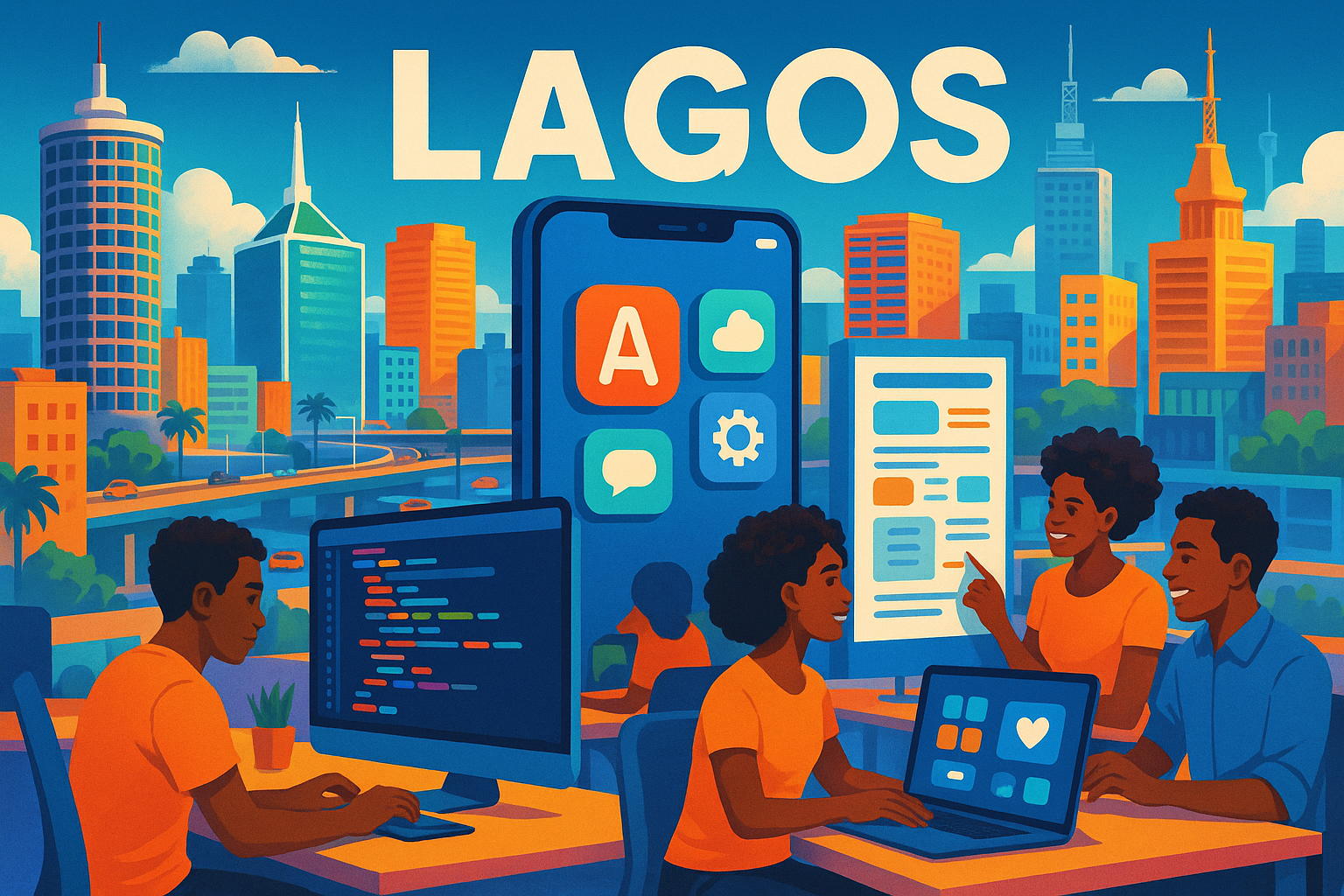

Nigeria's fintech sector is booming, attracting billions in investment and rapidly evolving to meet the needs of a diverse population. As a founder or product leader, if you're considering building a wallet, lending, or savings app, understanding the cost drivers associated with fintech development is crucial. This knowledge can save you time and budget while helping you create a product that resonates with users and stands out in a competitive market.
What Kind of Fintech App Are You Building?
The first step in estimating the cost of your fintech app is to define its scope. The distinction between a Minimum Viable Product (MVP) and a fully-featured platform significantly impacts the overall budget. Many Nigerian founders opt to start with a focused MVP to validate demand before expanding features based on user feedback and revenue. This approach not only helps conserve resources but also allows for adjustments in response to real user needs.
Core Features That Influence Cost
When developing a fintech app, several core features will influence your costs. Each feature comes with its own set of complexities and potential expenses. Here are the most critical components to consider:
- Onboarding, KYC, and Identity Verification: Implementing robust Know Your Customer (KYC) processes is vital. Services like Smile ID and VerifyMe can be integrated for seamless identity verification.
- Wallets, Transfers, and Transaction Ledgers: The architecture for managing digital wallets and transaction ledgers requires careful planning and integration.
- Payment Gateway and Bank API Integrations: Ensuring smooth payment processes through reliable APIs is essential for user satisfaction.
- Real-time Notifications and Dispute Management: Users expect instant notifications for transactions and an efficient dispute resolution mechanism.
- Fraud Prevention, MFA, and Encrypted Storage: Security is paramount in fintech, necessitating the implementation of multi-factor authentication (MFA) and secure data storage solutions.
Design, Security & Compliance
Design and security considerations are not merely optional aspects of fintech app development; they are fundamental. In Nigeria, fintech apps must comply with guidelines set forth by the Central Bank of Nigeria (CBN) and the Nigeria Data Protection Regulation (NDPR). Depending on your app's functionality, compliance with the Payment Card Industry Data Security Standard (PCI DSS) may also be necessary, particularly for card transactions.
Importance of UI/UX
In the competitive landscape of Nigeria’s app market, good user interface (UI) and user experience (UX) design are critical. Users tend to compare your product to established players, making it essential to deliver a user-friendly, intuitive design. Trust signals, such as security badges and clear communication, must be strong from day one to build credibility with your audience.
Who Builds the App Matters
The choice of development team can significantly affect the quality and cost of your fintech app. Here are some options to consider:
- Freelancers: They may offer lower upfront quotes, but they often lack the consistency and reliability needed for ongoing support.
- In-house Teams: If you already have technical leadership in place, an in-house team can be effective. However, this option often requires significant investment in talent and resources.
- Local Agencies: A local agency like MSORG Developers can provide a balanced approach, offering quality, cost-effectiveness, and market expertise, along with end-to-end support from discovery through launch and maintenance.
Budget Range: What Should You Expect?
Your budget will largely depend on the complexity and features of your app. Here’s a general breakdown of expected costs in the Nigerian market:
- MVP: ₦10 million – ₦20 million
- Fully-Featured App: ₦25 million – ₦50 million
- Enterprise-Grade Solution: ₦50 million +
These ranges typically cover design, development, testing, and initial launch support. However, do not forget to budget for additional costs such as licensing, compliance, cloud infrastructure, and marketing.
Post-Launch Costs
Once your app is launched, ongoing costs must be considered as well. Allocate a budget for:
- Hosting and cloud services
- Monitoring and analytics
- Customer support services
- SMS/email notifications
- Security updates and feature iterations
Most successful fintech products allocate a monthly maintenance and growth budget after launch to ensure they can adapt to user needs and market changes.
Key Takeaways
- Define the scope of your fintech app early — MVPs are a cost-effective way to validate ideas.
- Core features such as KYC, payment processing, and security will heavily influence your budget.
- UI/UX design is crucial for user retention and trust in a competitive market.
- Choosing the right development team impacts both quality and cost; consider local agencies for a balanced approach.
- Plan for ongoing costs post-launch to keep your app secure and relevant.
Work with MSORG Developers
At MSORG Developers, we design and build secure, scalable software for startups and enterprises across Nigeria and globally — from MVPs to enterprise platforms.
Contact us for a free consultation or call +234 810 014 6383.