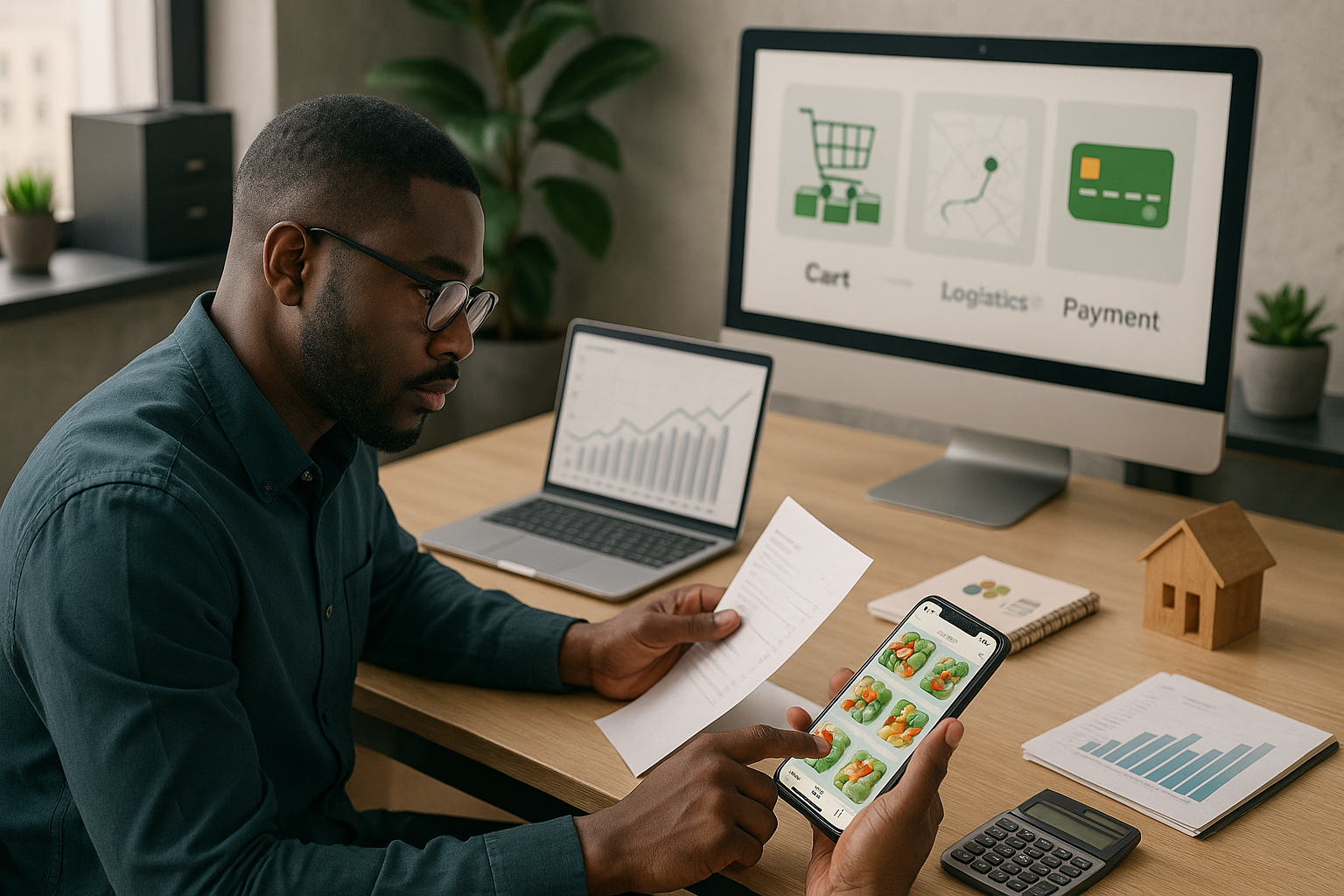
As the digital economy continues to thrive in Nigeria, the demand for grocery and quick-commerce applications has surged. These applications not only facilitate catalog management but also streamline logistics and payment processes, making them essential tools for modern consumers. However, building a grocery app in Nigeria comes with its unique set of challenges and costs. In this article, we’ll provide a comprehensive breakdown of what it takes to develop a grocery app in the Nigerian market, focusing on the features, design considerations, and the various costs involved.
What Kind of Grocery App Are You Building?
The first step in understanding the cost of building a grocery app is defining its scope. Whether you're creating a Minimal Viable Product (MVP) to test the market or a full-featured platform for widespread use will greatly influence your budget. Many Nigerian founders opt for an MVP as it allows them to validate demand and gather user feedback before committing to additional features.
Types of Grocery Apps
- MVP: A simple app with essential features to gauge user interest.
- Full-Featured App: A comprehensive app with advanced functionalities, perfect for scaling.
- Enterprise Solutions: Tailored apps for large businesses with complex needs.
Core Features That Influence Cost
The features you choose to include will significantly impact the overall cost of your grocery app. Here are some core functionalities that should be considered:
- Product Catalog: An organized display of items with descriptions, images, and prices.
- Inventory Management: Real-time updates on stock levels to avoid overselling.
- Customer App: A user-friendly interface for browsing products, adding items to the cart, and completing transactions.
- Rider/Dispatch App: Functionality for delivery personnel to track orders and navigate routes.
- Admin Panel: A dashboard for vendors or dark stores to manage their products and orders.
- Promotions and Referrals: Tools to encourage user engagement and retention.
- Customer Support: Integrated chat or support systems to assist users.
Design, Security & Compliance
In today’s competitive app market, particularly in Nigeria, a well-designed user interface (UI) and user experience (UX) are not optional; they are essential. Users will inevitably compare your app to established competitors, making it crucial to deliver a product that stands out in terms of design, performance, and usability.
Key Design Considerations
- Intuitive Navigation: Ensure users can easily find what they need.
- Mobile-First Design: Prioritize mobile usability as most users will access your app via smartphones.
- Trust Signals: Include customer reviews, ratings, and secure payment icons to build confidence.
Security is another significant factor. With the increasing number of online transactions, ensuring data protection and compliance with local regulations is paramount. This includes integrating secure payment gateways and implementing necessary security measures.
Who Builds the App Matters
When it comes to app development, the choice of your development team can greatly affect the outcome of your project. Here are a few options:
- Freelancers: They may offer lower upfront quotes; however, they might lack consistency in delivery and post-launch support.
- In-House Teams: Best utilized if you already have technical leadership and resources available.
- Local Agencies: Collaborating with a local agency like MSORG Developers can provide a balance between quality, cost, and market expertise with comprehensive support throughout the development process.
Budget Range: What Should You Expect?
Anticipating the costs involved in developing a grocery app can help you make informed decisions. Below is a general budget range based on the type of app:
- MVP: ₦8 million – ₦18 million
- Fully-featured app: ₦20 million – ₦40 million
- Enterprise-grade solution: ₦45 million+
These ranges typically encompass design, development, testing, and initial launch support. Remember, additional costs may arise from licensing, compliance, cloud infrastructure, and marketing efforts.
Post-Launch Costs
Once your grocery app is live, the expenses don’t stop. You should plan for ongoing costs like:
- Hosting and cloud services
- Monitoring performance and user engagement
- Customer support operations
- SMS and email notifications
- Security updates and feature iterations
Many successful products allocate a monthly maintenance and growth budget post-launch to ensure they remain competitive and responsive to user needs.
Key Takeaways
- Defining your app’s scope is crucial for estimating costs.
- Core features significantly influence the development budget.
- Design and user experience are critical in Nigeria’s competitive market.
- Choosing the right development team can impact the success of your app.
- Post-launch costs are essential to factor in for sustained success.
Work with MSORG Developers
At MSORG Developers, we design and build secure, scalable software for startups and enterprises across Nigeria and globally — from MVPs to enterprise platforms.
Contact us for a free consultation or call +234 810 014 6383.