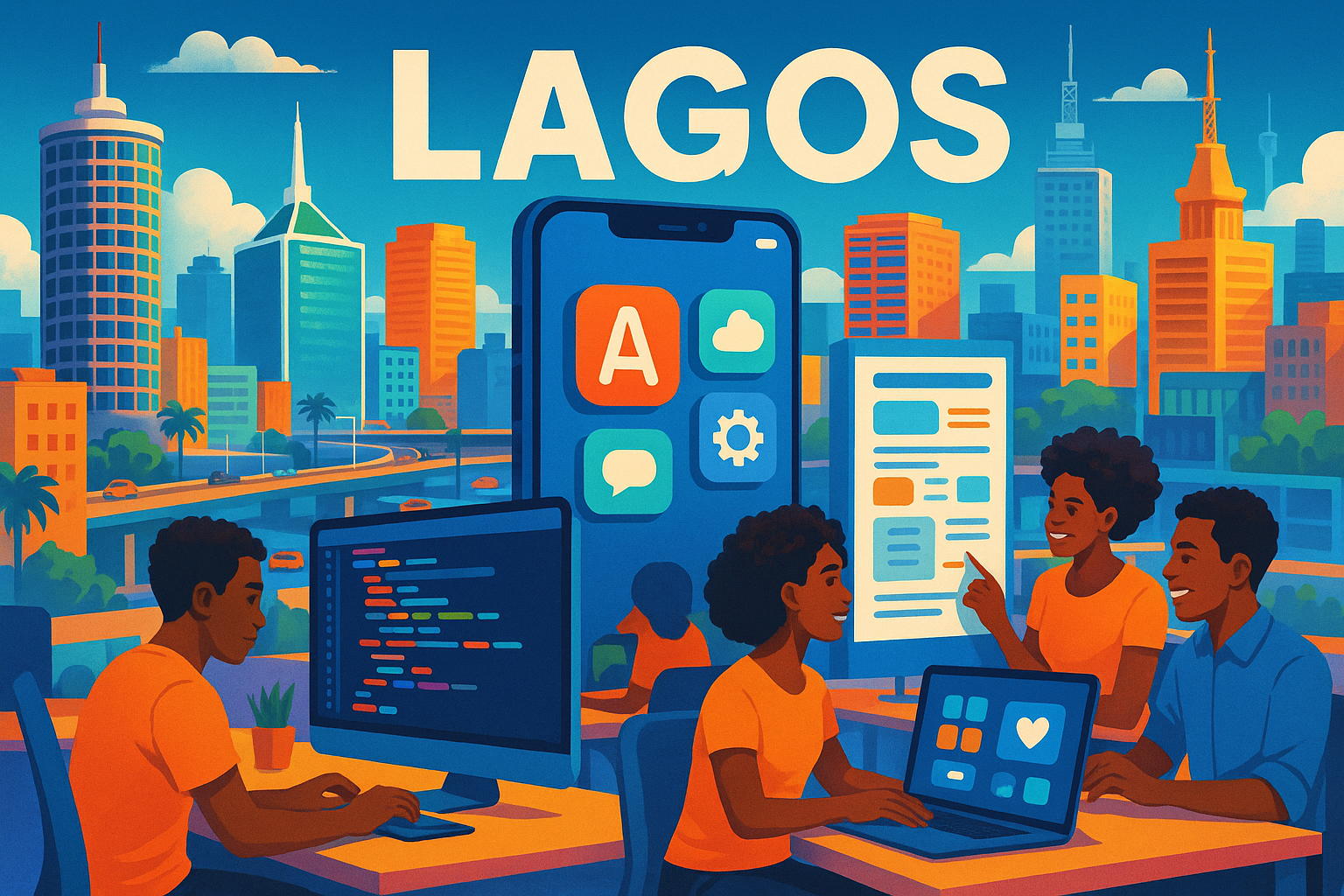
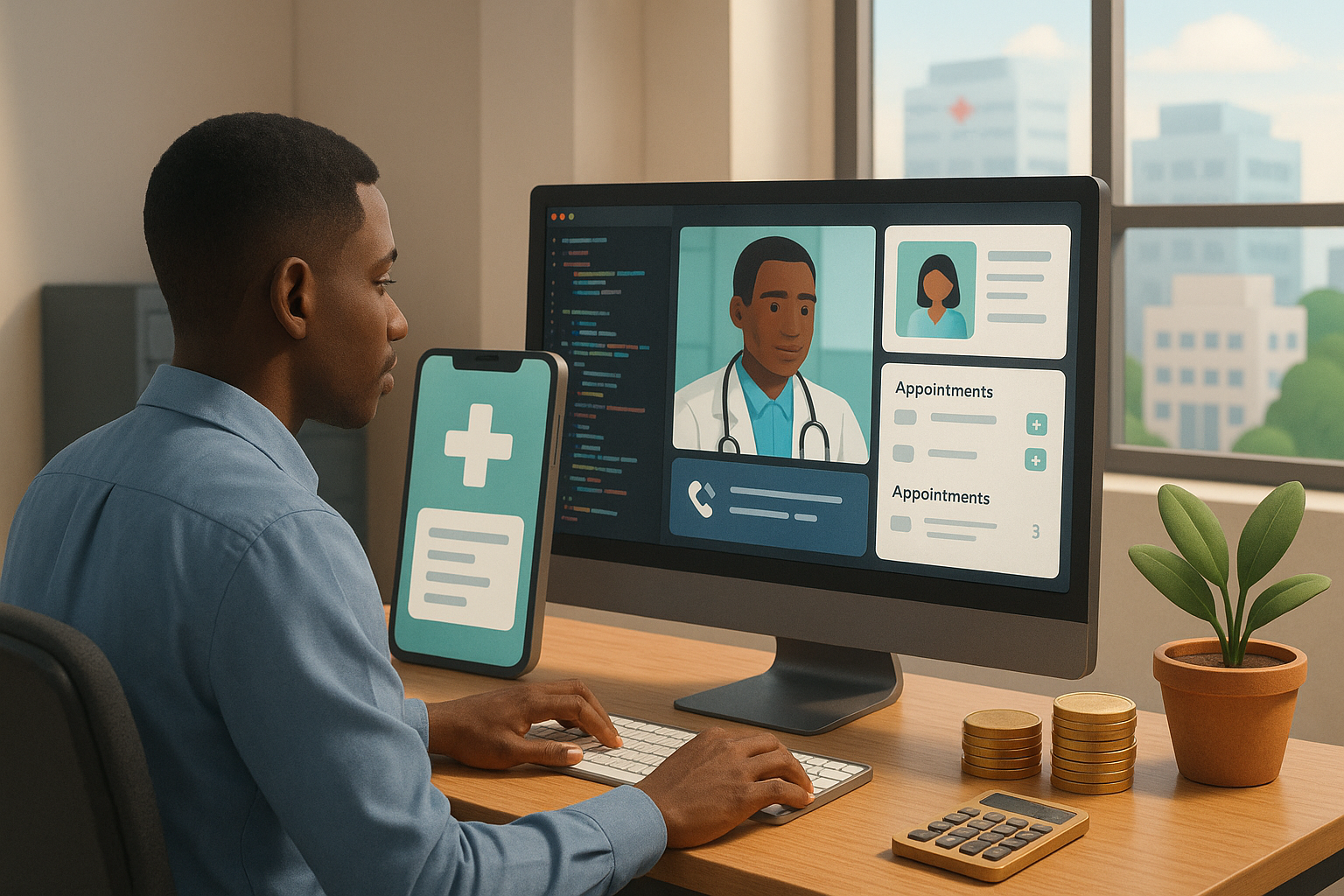
The healthcare sector in Nigeria is undergoing a significant transformation, driven by the rapid adoption of technology. Telemedicine, hospital management, and patient engagement applications are growing fast as both providers and patients seek improved experiences and outcomes. However, building a healthcare app in Nigeria comes with its own unique set of challenges and costs. Understanding these factors is essential for founders and product leaders looking to navigate this evolving landscape.
What Kind of Healthcare App Are You Building?
The first step in understanding the cost of building a healthcare app is defining its scope. The nature of your product — whether it is a Minimum Viable Product (MVP) or a fully-featured platform — is the biggest driver of costs. In Nigeria, many founders begin with a focused MVP to validate demand and gather user feedback before expanding features. This approach not only minimizes risk but also helps in allocating resources effectively.
Core Features That Influence Cost
When developing a healthcare app, certain core features significantly impact the overall cost. Below are some essential functionalities that should be considered:
- Patient Profiles and Appointment Scheduling: Enabling patients to manage their profiles and schedule appointments seamlessly.
- Video Consult or Chat with Providers: Facilitating real-time communication between patients and healthcare professionals.
- E-Prescriptions, Lab Orders, and Record Storage: Allowing doctors to send prescriptions electronically and store patient records securely.
- Payments, Insurance, or HMO Integrations: Streamlining payment processes and integrating with health insurance providers.
- Role-Based Access for Doctors, Nurses, and Admins: Ensuring appropriate access levels to sensitive data based on user roles.
Design, Security & Compliance
In healthcare, the stakes are high when it comes to data privacy and security. The Nigerian data protection regulations (NDPR) necessitate strict privacy controls and audit trails for health data. As such, achieving compliance is not just an added cost; it is a fundamental requirement. Integrating features that align with these regulations will influence your app's design and development costs.
Importance of UI/UX
Good User Interface (UI) and User Experience (UX) design are not optional in Nigeria's competitive app market. Users often compare your product to established players, which makes it imperative to ensure that design, performance, and trust signals are strong from day one. Investing in high-quality design will not only improve user retention but also enhance your app's marketability.
Who Builds the App Matters
The choice of who develops your healthcare app can greatly impact both quality and cost. Here are three common options:
- Freelancers: They might offer lower upfront quotes but may lack consistency in delivery and post-launch support.
- In-House Teams: This option works best if your organization already has technical leadership and resources.
- Local Agencies: Engaging a local agency like MSORG Developers can provide a balance between quality, cost, and market expertise, with end-to-end support from discovery through launch and maintenance.
Budget Range: What Should You Expect?
When budgeting for your healthcare app, it's essential to have realistic expectations. Here’s a typical budget range based on the app type:
- MVP: ₦10 million – ₦22 million
- Fully-Featured App: ₦25 million – ₦50 million
- Enterprise-Grade Solution: ₦55 million+
These ranges typically cover design, development, testing, and initial launch support. However, additional costs such as licensing, compliance, cloud infrastructure, and marketing should also be factored into your budget.
Post-Launch Costs
Launching the app is just the beginning. It’s critical to budget for ongoing expenses that ensure your app remains functional and relevant:
- Hosting and cloud services
- Monitoring and analytics
- Customer support services
- SMS/email notifications
- Regular security updates and feature iterations
Most successful products allocate a monthly maintenance and growth budget after launch, which is crucial for keeping pace with user expectations and market demands.
Key Takeaways
- Define the scope of your healthcare app as an MVP or full-featured platform, as this will drive costs significantly.
- Incorporate core features that enhance usability and security while ensuring compliance with NDPR.
- Prioritize UI/UX design to create an app that stands out in Nigeria’s competitive market.
- Choose the right development team wisely to balance quality and cost-effectiveness.
- Plan for post-launch costs to ensure your app remains competitive and secure after it goes live.
Work with MSORG Developers
At MSORG Developers, we design and build secure, scalable software for startups and enterprises across Nigeria and globally — from MVPs to enterprise platforms.
Contact us for a free consultation or call +234 810 014 6383.